


Products Description
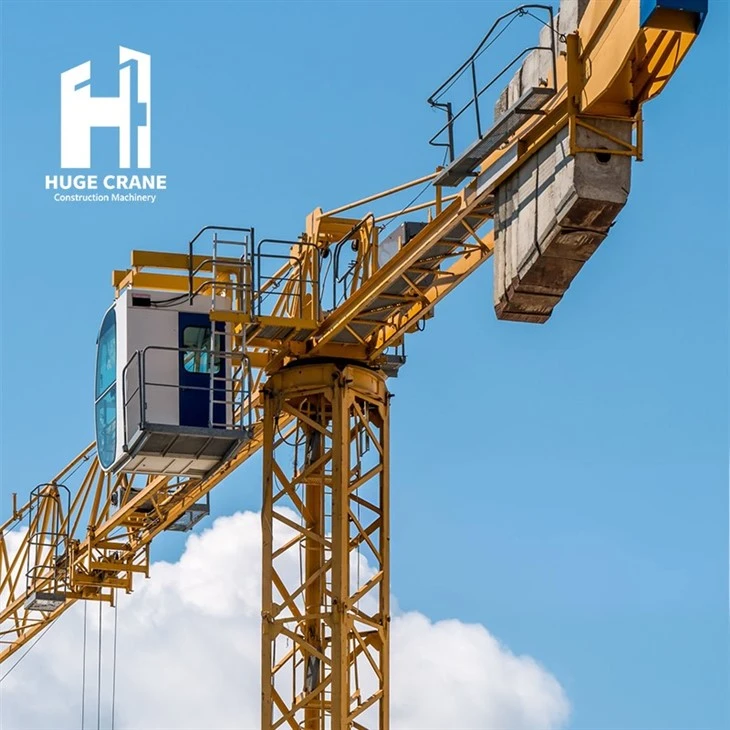
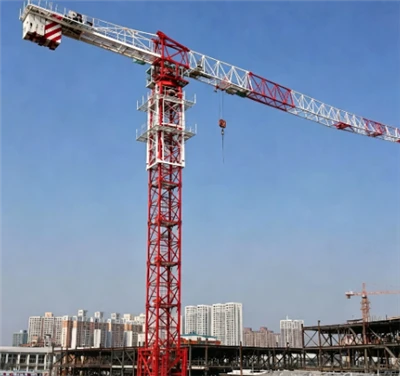
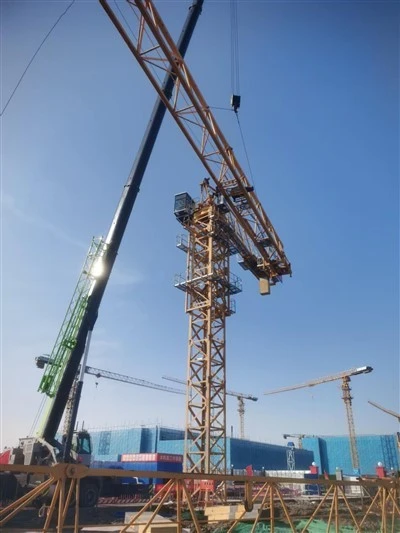
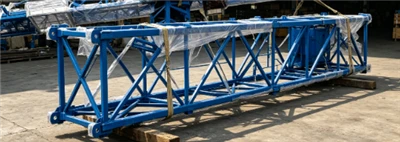
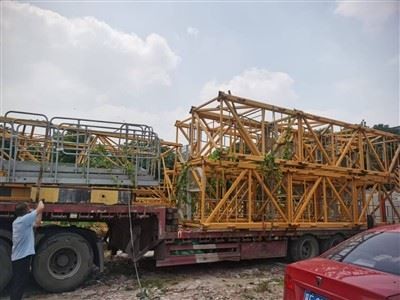
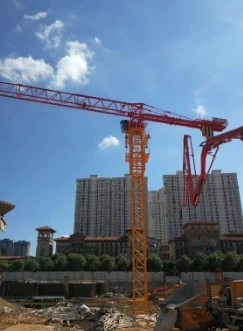
This self-climbing flat-top tower crane replaces traditional cat-head frameworks with a straight arm connection design, reducing vertical space usage-ideal for compact urban sites. Equipped with a full hydraulic climbing system, it rises layer by layer with the building core, eliminating the need for frequent disassembly and relocation. Its standardized modular components simplify on-site assembly and containerized international transport. Built-in sensors monitor lifting load and wind speed to prevent safety risks. Multiple cranes can operate simultaneously with minimal collision risk, making them dependable hoisting equipment for high-rise residences, office complexes, and municipal construction projects.
Applicable Industries
1.High-Rise Building Construction
2.Commercial Complex Construction
3.Residential Building Projects
4.Industrial Plant Construction
5.Infrastructure Construction
6.Bridge and Transportation Projects
7.Urban Development Projects
8.Large-Scale Engineering Projects
9.Power Plant and Energy Facilities
10.Municipal Construction Works
Construction Cases
Tempe, Arizona – Clayco put three STF‑8041 units on a 21‑storey mixed‑use tower. Each unit reached 101 metres up. Max pull was 32 tonnes; tip capacity sat at 4.1 tonnes. Tight zoning rules and over‑swing limits forced careful positioning. All three went operational within six days of delivery.
Rostock, Germany – The ULMICUM library project runs on two Liebherr 340 EC‑B flat‑tops. Railway tracks run along one side. Listed buildings sit close on the other. Working‑range limiters keep loads from straying into protected zones. The cranes stay on site through 2027 for facade and interior work.
Frankfurt, Germany – Spin Tower needed two EC‑B flat‑tops working beside luffing jib cranes. The street was narrow. The façade slanted. Few spots existed for material staging. The two units handled concrete, formwork, and curtain wall lifts until the 128‑metre structure topped out.
After-Sales Service
We keep service straightforward. A dedicated engineer shadows each crane from delivery through the first climbing cycle, checking alignment and hydraulic pressure on site. Spare parts sit in regional warehouses-common wear items ship within 48 hours. The support line answers in local business hours, with remote diagnostics available for controller faults. For major repairs, a two‑person crew can reach most job sites within one working day. We log every call and inspection in a job‑specific file, so maintenance history stays clear. Training covers daily checks and emergency lowering procedures. Warranty repairs use original components only.
FAQS
Q1: What is the typical time for one climb?
A1:About 45 minutes on a good day. New crews might take an hour. The hydraulic rams move smoothly, but pin alignment and level checks eat up most of the minutes.
Q2: Any wind limits?
A2:We stop at 20 m/s steady. Gusts hitting 25 m/s-shut it down. The cab gives a warning beep at 18 m/s. Above that, the jib just turns into the wind on its own.
Q3: Do we pour a concrete base?
A3:Not for internal climbing. A steel collar wraps around the core walls, and that takes the whole load. A ground‑standing unit? Different story-that needs a foundation.
Q4: Power goes out mid‑climb. Now what?
A4:Manual valves sit right on the hydraulic block. Turn them slowly, and the frame comes down bit by bit. Takes longer, but nothing drops suddenly.
Q5: Training come with the machine?
A5:Two days, on your site, with our tech. First day: running the crane and doing the morning check. Second day: the climb procedure and hitting the emergency stop.
Hot Tags: climbing flat-top tower crane, China climbing flat-top tower crane manufacturers, suppliers, factory, 7 5 Ton Crane, Construction Tower Crane 6ton, Flat Top Tower Crane, Flat Tower Cranes, tower cranes


