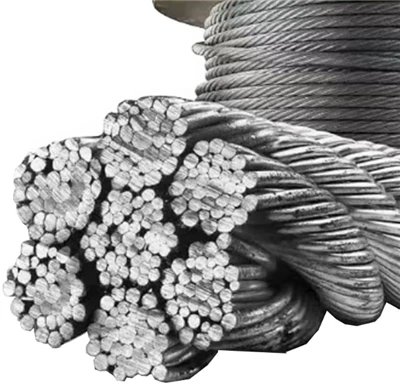


Hi there! As a supplier of Tower Crane Wire Rope, I've seen my fair share of cases where these crucial ropes break. It's a big headache for everyone involved in construction projects, from the workers on-site to the project managers overseeing everything. So, let's dig into what are the factors that cause tower crane wire rope breakage.
1. Wear and Tear
First off, normal wear and tear is a major culprit. Picture this: every time a tower crane operates, the wire rope is constantly moving, rubbing against various components like sheaves and drums. Over time, this friction wears down the outer layers of the rope. The strands start to get thinner, and small cracks can form. If the wear isn't monitored regularly, these small issues can quickly turn into big problems.
For example, if the sheaves on the tower crane are not properly lubricated, the friction between the rope and the sheaves becomes even greater. This accelerates the wear process. And once the outer strands are worn enough, they can start to break one by one. Eventually, if enough strands break, the entire rope will fail. That's why it's super important to keep an eye on the rope's condition and replace the sheaves and lubricate them regularly.
2. Corrosion
Corrosion is another big factor. Tower cranes often work in all kinds of weather conditions, including rain, humidity, and even exposure to saltwater if they're near a coastal area. When the wire rope is exposed to moisture and oxygen, it starts to rust. Rust weakens the structure of the rope, making it more prone to breakage.
Even a small amount of corrosion can have a big impact. It can cause pitting on the surface of the rope, which creates stress concentration points. These points are more likely to break under load. To prevent corrosion, it's important to coat the wire rope with a protective layer. There are special anti-corrosion coatings available that can significantly extend the life of the rope. And if you notice any signs of rust, it's best to take action right away, like cleaning and recoating the rope.


3. Overloading
Overloading is a no-brainer when it comes to wire rope breakage. Tower cranes are designed to lift a certain maximum weight, and if you exceed that limit, the wire rope is going to take a beating. The extra stress on the rope can cause the strands to stretch and eventually break.
Sometimes, overloading happens because the operators don't accurately calculate the weight of the load. Or maybe there's a rush to get the job done, and they take shortcuts. But the consequences of overloading can be disastrous. Not only can it lead to rope breakage, but it can also cause the entire tower crane to malfunction or even collapse. That's why it's crucial to always follow the manufacturer's guidelines for load limits. And if you're not sure about the weight of a load, use a proper weighing device.
4. Improper Installation
Believe it or not, improper installation can also lead to wire rope breakage. When the rope is not installed correctly, it can create uneven stress distribution. For example, if the rope is not wound evenly on the drum, some parts of the rope will bear more weight than others. This can cause premature wear and breakage in those over - stressed areas.
Also, if the end fittings of the rope are not installed properly, they can come loose or cause sharp bends in the rope. These sharp bends can create stress concentration points, just like corrosion does. So, it's important to have a trained and experienced person install the wire rope. They need to make sure everything is done according to the right procedures.
5. Fatigue
Fatigue failure is a bit more subtle but equally dangerous. Every time the tower crane operates, the wire rope goes through repeated cycles of tension and relaxation. Over time, these cycles can cause microscopic cracks to form in the rope. These cracks start small, but they grow with each cycle.
The rate of fatigue failure depends on several factors, such as the frequency of use and the magnitude of the loads. If a tower crane is used very frequently under heavy loads, the wire rope is more likely to experience fatigue failure. To detect fatigue, regular inspections are necessary. Some advanced inspection methods can detect these microscopic cracks before they turn into full - blown breaks.
6. Improper Storage
How you store the wire rope when it's not in use can also affect its integrity. If the rope is stored in a damp or dirty environment, it's more likely to corrode. And if it's coiled too tightly or stored in a way that causes kinking, it can weaken the rope.
When storing the wire rope, it should be kept in a dry, clean place. It's best to coil it loosely on a large spool to prevent kinking. And if possible, cover it with a protective tarp to keep it away from dust and moisture.
How Our Products Can Help
At our company, we understand all these factors that can cause tower crane wire rope breakage. That's why we offer high - quality Tower Crane Steel Wire Rope For Construction. Our ropes are made from premium materials that are resistant to wear and corrosion. We also have strict quality control measures in place to ensure that every rope we sell meets the highest standards.
If you're in the market for tower crane wire ropes or any of our other spare parts, don't hesitate to reach out. We're here to provide you with the best products and excellent customer service. Whether you have questions about our products or need help with installation and maintenance, we're just a message away. Let's work together to ensure the safety and efficiency of your construction projects.