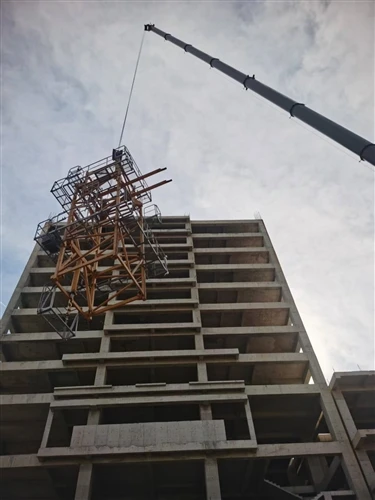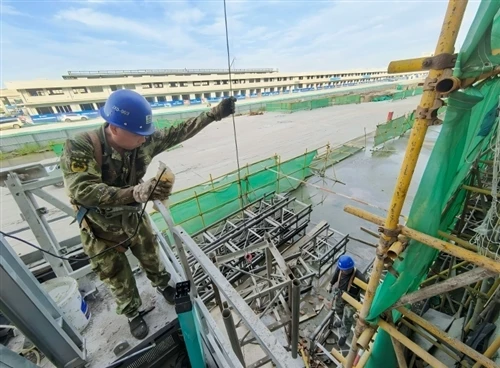


I. Proactive Upgrading of Base Materials and Welding Processes
Select weather-resistant materials for anchor plates and support steel to withstand thermal expansion and contraction caused by extreme diurnal temperature fluctuations, thereby reducing the risk of fatigue cracking in welds.
Utilize continuous full-penetration welding for all joints; avoid intermittent welding that leaves gaps, which could allow wind, sand, and rain to penetrate and cause internal corrosion.
Grind weld joints after welding to remove slag and sharp edges, preventing the accumulation of sand and water and minimizing potential corrosion initiation points.
 II. Multi-layer Anti-corrosion Coating System to Withstand Sun and Sand
Thoroughly clean the base surface to remove mill scale and loose dust, ensuring strong adhesion of the coating to the steel plate.
Apply a three-layer protective system: anti-rust primer, intermediate sealer coat, and sand-resistant topcoat. Select a UV-resistant topcoat to withstand degradation from prolonged exposure to intense sunlight.
Hot-dip galvanize bolts and pins to prevent these small connecting components from rusting and seizing up prematurely.
 III. Structural Sealing Design to Block Sand Infiltration
Install rubber gaskets at the interface between the anchor plate and the wall to seal gaps and prevent wind-blown sand from penetrating the space between the concrete and the steel plate.
Fit dust-proof sleeves at the hinge points between tie rods and supports to block sand from entering the hinge mechanism and prevent abrasive wear on the pins.
Design the upper surface of the support with a slope to prevent sand accumulation; this allows sand to slide off naturally, avoiding long-term buildup that could trap moisture and corrode the steel plate.
 IV. Optimized Concrete Anchorage Design to Prevent High-Temperature Expansion Cracking
Incorporate hooks into the embedded anchor reinforcement to ensure a secure bond with the concrete, preventing debonding or delamination caused by repeated thermal expansion and contraction at high temperatures. Ensure the concrete surrounding the bearing is cast densely to eliminate honeycombing and voids, thereby preventing underground moisture from seeping through gaps and corroding the anchor bars.
Avoid pouring the anchorage concrete during the hottest part of the day to minimize cracking caused by temperature differentials, which could create capillary pathways for water seepage.
V. Routine Protection and Maintenance During Service
Regularly clear accumulated sand from the bearing surface; do not allow sand and dust to cover the paintwork for extended periods, as this accelerates aging and chalking.
Inspect the topcoat for abrasion caused by windblown sand after every period of strong winds, and promptly touch up any damaged areas.
Periodically apply high-temperature grease to the hinge pins to prevent sand and dust ingress, which could cause wear or seizing.

Conclusion
Enhancing the durability of embedded bearings in high-temperature, sandy, and windy environments relies on a strategy of sealing against sand, ensuring weather and corrosion resistance, and employing designs that withstand temperature fluctuations. By addressing factors ranging from steel selection, weld sealing, and multi-layer coating to sand-shedding structural design, the three primary sources of degradation-sand/dust, UV radiation, and temperature differentials-are effectively blocked. This approach ensures the long-term structural stability of the connection points while significantly reducing the need for future high-altitude maintenance and repairs.