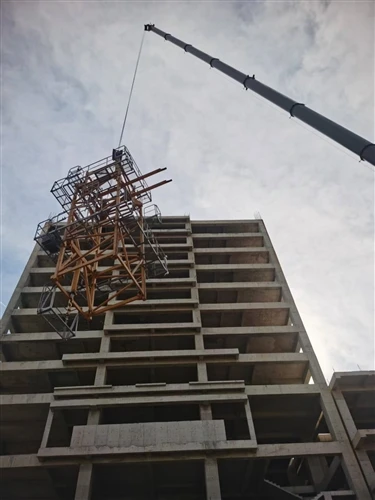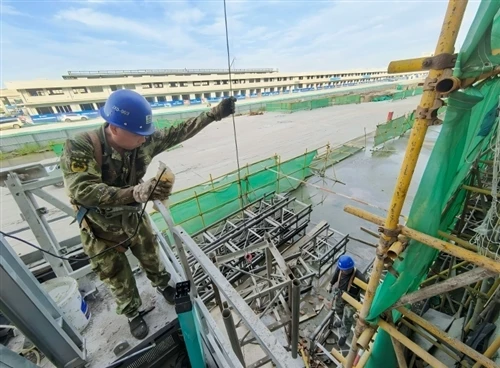


Emergency shutdown, establish warning area
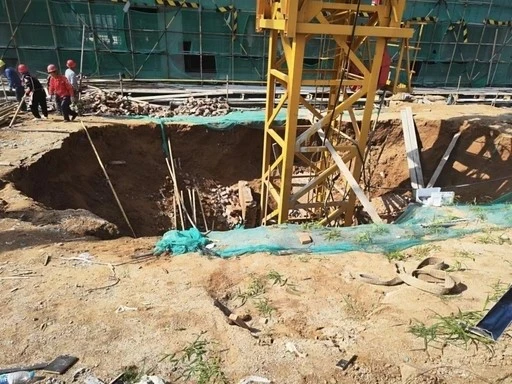
Emergency shutdown, establish warning area
Upon discovering water accumulation at the foundation of the tower crane and soil saturation, immediately stop all lifting, rotation, and slewing operations of the tower crane. Prohibit heavy-load construction and operation with potential hazards. Quickly evacuate construction personnel within the tower crane's operation radius, set up safety warning signs and warning barriers, prohibit personnel and vehicles from approaching, and assign dedicated personnel to conduct on-site supervision and guardianship to prevent risky operations.
Quickly drain and thoroughly clean the accumulated water and silt.
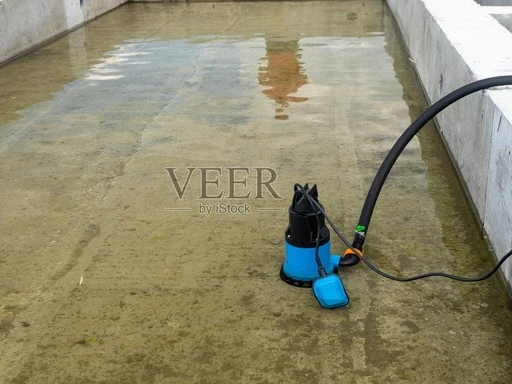
Activate specialized drainage equipment such as submersible pumps and sewage pumps to conduct round-the-clock drainage of surface water on the foundation and water accumulation in the foundation pit. Ensure that the accumulated water is cleared immediately upon its formation, and prevent overnight soaking. After the water is completely drained, manually clean the surface of the foundation, the surrounding mud and debris around the anchor bolts, and fully expose the foundation structure, connection bolts, and weld points, creating conditions for subsequent hazard inspections
Comprehensive inspection of potential hazards
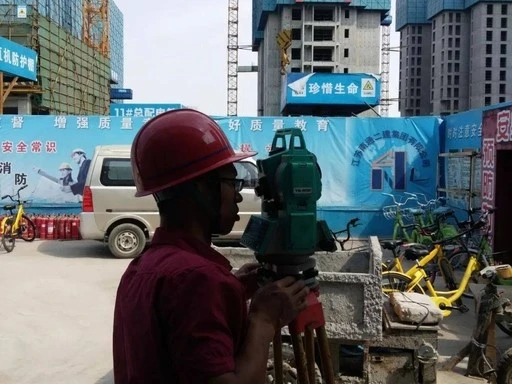
After the foundation is completely dry, a special safety re-inspection is carried out. Using a theodolite, the verticality of the tower body is precisely re-measured to ensure the deviation is in line with the standard requirements; each ground anchor bolt is inspected to ensure there is no loosening, rusting, or thread slippage; the main diagonal rods of the foundation sections and the welds at the bottom have no cracks, deformations; any problems such as sanding, cracking, seepage, or detachment of the concrete foundation are checked; the surrounding soil layer of the foundation is observed for no settlement, collapse, hollowing out, or other issues, and all types of structural hazards are comprehensively investigated.

Hidden danger rectification, anti-corrosion reinforcement and repair
For the problems caused by water accumulation and soaking, each item was rectified one by one: Rusty bolts and metal components were promptly ground and descaled, and anti-corrosion protection was provided by applying anti-rust paint; Loose high-strength bolts were re-tightened diagonally using torque wrenches according to standard torque, and damaged parts were immediately replaced; Minor cracks on the foundation surface were sealed and repaired with special mortar to prevent secondary water penetration, and the equipment's safe bearing state was fully restored.
Re-examination and verification, compliance for resumption of work
After all the water accumulation hazards have been rectified, a joint inspection will be conducted by the construction unit and the supervision unit. The verticality of the tower body, the structural connections, and the condition of the foundation will all be rechecked and verified to ensure they are all in compliance. A record of the inspection and rectification and corresponding images will be retained. Only after the inspection is qualified can the tower crane resume normal construction operations.