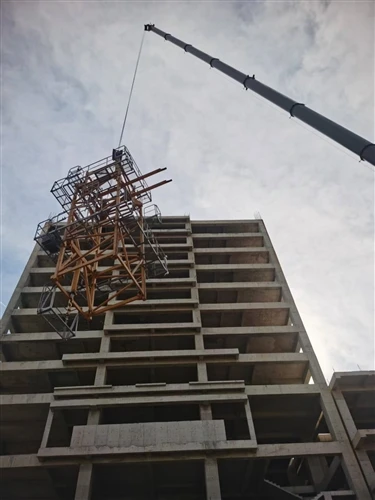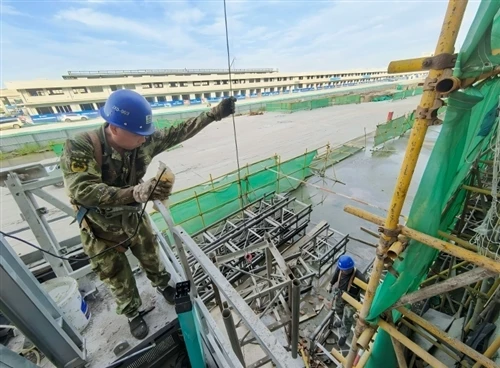


A lifting platform typically consists of a vertical frame, a passenger platform, and a power system, resembling a movable metal cage in appearance. Common types include scissor lifts (folding support structure) and guide rail lifts (moving vertically along tracks). Scissor lifts deploy in an X-shape and retract to reduce height by 50%; guide rail lifts feature clearly visible upright tracks, and the platform is usually surrounded by safety rails.
Core Component Appearance Characteristics:
Power Unit: Hydraulic lifts use cylindrical cylinders; electric lifts have a motor control box.
Operating Panel: Located prominently on the platform, it includes an emergency stop button and a height indicator.
Safety Devices: Includes a fall arrestor (mechanical clamp structure) and an overload alarm light.
Visual Reflection of Functional Design: Outdoor lifting platforms feature rust-resistant coatings and non-slip platforms, with maximum load markings on the platform edges. Indoor lifts emphasize a compact design, with some models equipped with folding platforms for navigating narrow passages. Lifts used in special environments have additional protection, such as a fully enclosed metal mesh enclosure used in explosion-proof environments.