

Complete shutdown and evacuation of personnel
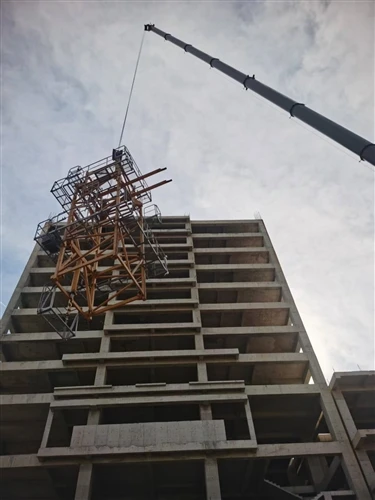
For the construction hoist, which is a core equipment for high-altitude operations, strict shutdown regulations have been clearly defined in many places. According to the relevant typhoon prevention work deployment requirements, after the typhoon warning signal comes into effect, the construction hoist must immediately stop operation. The cage must be fully lowered to the ground and the mechanical power supply disconnected. At the same time, it is required that the equipment operators lower the cage to the bottom floor, cut off the main power supply, and lock and fix the equipment to prevent secondary disasters such as runaway or equipment overturning in strong wind weather.
Strengthen the wind-resistant reinforcement of key areas

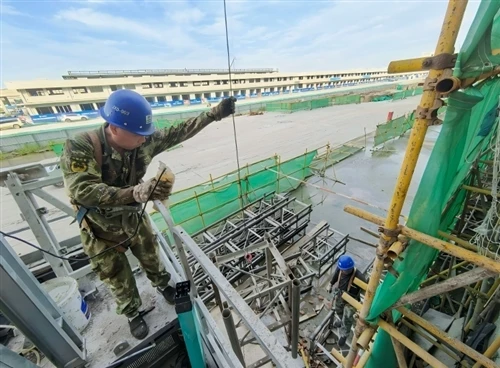
Each project department is responsible for coordinating equipment protection. They focus on inspecting key areas such as the foundation stability, drainage measures, attachment devices, and anti-fall safety devices of the elevators. For elevators located in low-lying areas or in regions threatened by geological disasters, they are required to take early reinforcement measures to prevent the equipment from tilting due to water accumulation in the foundation or loosening of the soil. In addition, various regions also urge construction units to prepare flood control materials such as sandbags and water pumps to ensure the smooth operation of the drainage system and avoid equipment short circuits or mechanical failures caused by waterlogging.