

1. Structural & External Check
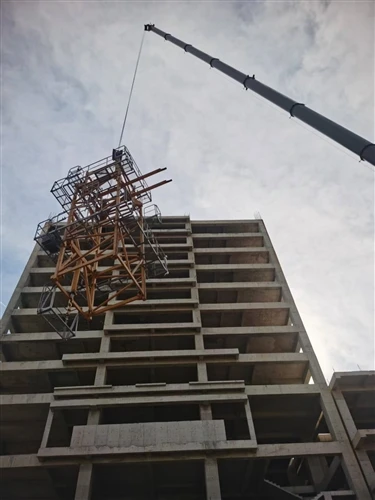
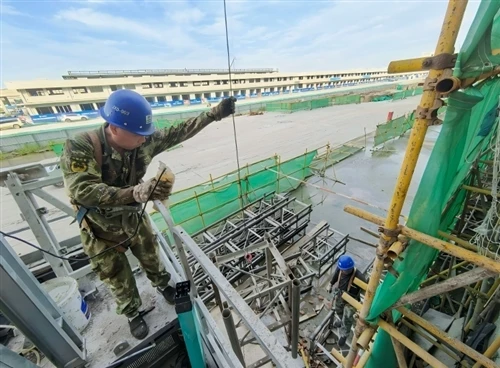
Check mast sections, bolts and anchor frames for looseness, deformation or cracks
Ensure guide rails are clean and free of obstacles
Inspect cage body, doors and guardrails for damage
2. Safety System Check
Confirm anti-fall safety device is in normal working status
Test upper and lower limit switches for sensitivity
Verify cage door and landing door interlock functions
Check overload protection and alarm system
3. Mechanical & Transmission Check
Check gear and rack lubrication status
Inspect motor and reducer for abnormal noise, vibration or oil leakage
Confirm rollers and guide wheels run smoothly without abnormal friction
4. Electrical System Check
Check cables and electric box for damage, loose wires or water ingress
Test emergency stop button for quick response
Ensure indicators and warning lights work properly
5. No-Load Test Operation
Run full up and down strokes with no load
Check for jitter, abnormal noise and stable braking
Verify accurate floor leveling performance
6. Site Environment Check
Keep the hoist operating channel completely clear
Check platform stability and protective facilities
Stop operation under strong wind, heavy rain or extreme weather
Key Daily Safety Rules
- Only certified operators can operate and inspect the hoist
- Record daily inspection results strictly
- Stop operation immediately once abnormalities are found
- Strictly prohibit overloading and speeding
Conclusion
Standard daily pre-use inspection minimizes construction hoist failures and safety risks. Regular checks ensure long-term stable operation, extend equipment service life and guarantee efficient vertical transportation on construction sites.
Contact us for reliable construction hoist equipment and professional maintenance guidance.