

Before the Typhoon: Comprehensive Inspection and Reinforcement Preparation

After the issuance of the typhoon warning, construction, construction, and supervision units need to conduct a comprehensive inspection and reinforcement of tower cranes:
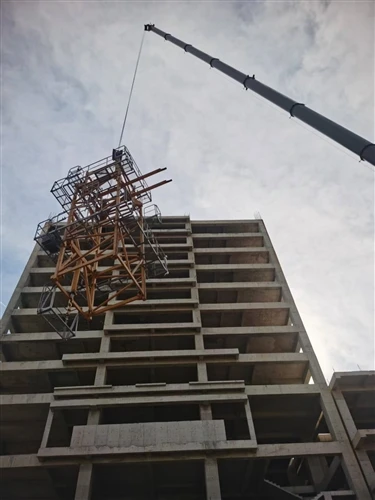
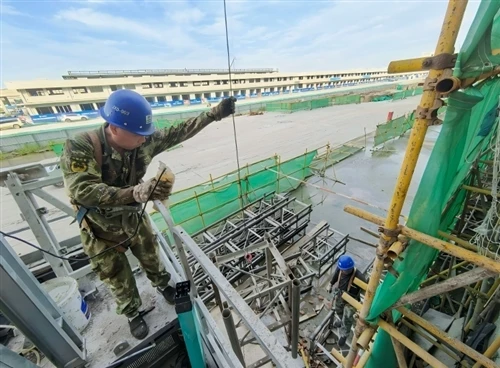
Structural and Attachment Reinforcement: Focus on inspecting the welds and connecting parts of the tower body, attachment devices, and support systems, especially the top two attachment devices must be inspected and reinforced.
Foundation and Drainage Inspection: Ensure that the tower crane foundation is stable and the surrounding drainage measures are effective to prevent settlement due to water accumulation.
Clearing High-altitude Debris: Completely clear the debris on all operation platforms of the tower crane. It is strictly prohibited to leave any scattered materials on the high-altitude platform to avoid the risk of falling debris.
Special Area Assessment: In key coastal areas, the wind resistance performance of the tower crane needs to be evaluated. If necessary, measures to reduce the height of the tower crane should be taken; for tower cranes in densely populated areas, flexible reinforcement measures should be taken in advance to control the direction of collapse in case of an accident and avoid residential areas.
During the typhoon: Strictly implement "stop work and cut off power"
When the blue typhoon warning is in effect or the wind force reaches the specified level, the following rigid measures must be taken:
Complete shutdown: Prohibit all tower crane installation and dismantling operations, and stop all lifting construction.
Standardize shutdown posture: Activate the slewing brake to ensure the tower crane can freely rotate 360°; for jib tower cranes, the lifting arm must be stopped at the angle range specified in the manual.
Cut off power supply: The cage of the construction elevator must be lowered to the ground and the main power supply of the tower crane and the elevator must be completely disconnected.
Set up warning zone: Set up warning lines and warning signs within the area where the tower crane may overturn, and prohibit people from approaching.
After the typhoon: Resume work only after a comprehensive inspection