

Core structure inspection

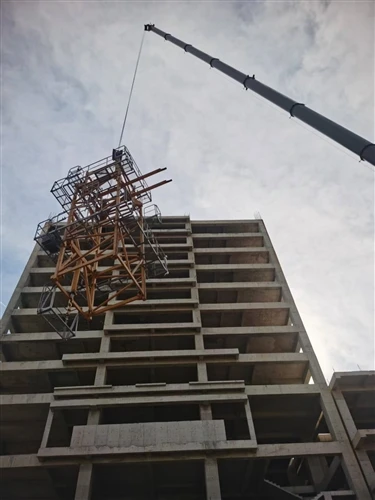
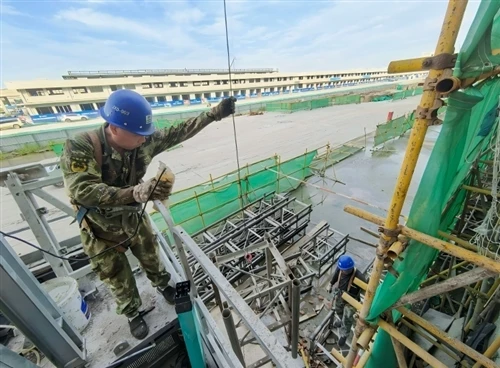
The main structure of the tower crane is the core for bearing the lifting load and is also the top priority for annual inspection. The inspection focuses on identifying potential hidden safety hazards such as fatigue deformation, rust, cracking, and wear.
During the annual inspection process, the inspection personnel will conduct a comprehensive and detailed inspection of key structures including the tower crane foundation, standard sections of the tower body, hoisting arm, balance arm, tower top, slewing bearing, and tower attachment device.
They will strictly verify whether there are issues such as weld cracks, loose or missing bolts, or deformation and rust of the structural components. They will also focus on testing the stability of the attachment supports and embedded components to ensure a stable and reliable connection between the tower crane and the building structure.
At the same time, they will precisely measure the verticality of the tower body, and the deviation value must be strictly controlled within the allowable range specified by national standards to prevent safety risks such as tipping or shaking caused by structural displacement. This ensures the stability of the equipment structure from the root cause.
Mechanical system inspection
The four major mechanical transmission systems of the tower crane - lifting, rotation, luffing, and traveling - directly determine the operational accuracy and safety of the equipment, and are the core inspection modules for annual inspection.
The annual inspection will comprehensively check the operating conditions of core mechanical components such as the hoist, steel wire rope, pulley, hook, brake, and reducer.
Among them, the steel wire rope needs to be carefully inspected for wear, broken wires, rust, deformation, and lubrication conditions, and be judged in accordance with the scrap standards to determine if it is compliant; the hook and pulley need to be tested for wear amount, cracks, and the integrity of the anti-detachment device; the brake needs to be tested for braking sensitivity and reliability to ensure smooth start and stop, effective braking, and no risk of hook or vehicle sliding. All mechanical transmission components need to operate smoothly, without abnormal noise, and without stuck faults, and meet the standard for lifting operations with rated load.

Regular annual inspections to strengthen the construction safety barrier
The safety control in construction projects is becoming increasingly strict. Tower cranes, as high-risk special equipment, their annual inspections are not just a formal process; they are the key means to identify potential hazards and prevent accidents. Construction enterprises must deeply understand the importance of special equipment safety management and strictly implement the annual inspection system to prevent overdue inspections, faulty operation, and reckless work.
At the same time, a full-cycle management system for daily inspections, regular maintenance, and annual inspections of tower cranes should be established. Regularly check equipment hazards, replace aging and damaged components in a timely manner, standardize the operation behavior of operators, and build a safety defense line from multiple dimensions including equipment, personnel, and management.
Safety is no trivial matter; prevention is better than cure. In the future, the construction industry will continue to strengthen the refined, standardized, and regularized safety management of special equipment. It will strictly implement the annual inspection standards and safety norms for tower cranes to ensure the continuous stability of the safety situation on construction sites and help the construction industry achieve high-quality and safe development.