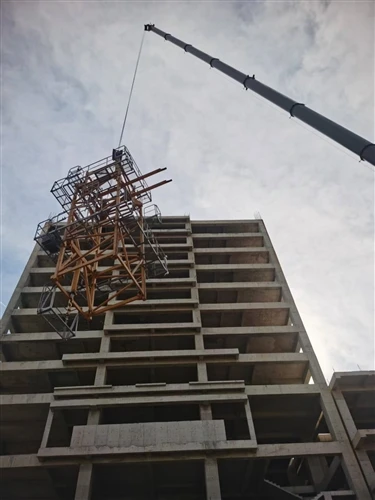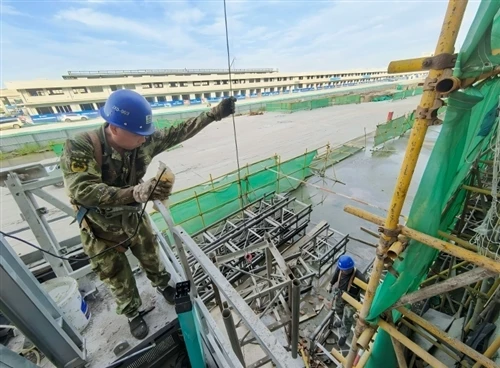


Wind and sand protection
In arid areas, there is a lot of sand and dust. Fine sand easily penetrates into mechanical transmission and electrical systems, causing severe wear or short circuits.
Sealing and cleaning: After each day's operation, it is necessary to thoroughly remove the accumulated sand from the guide rail frame, hoist cage, and transmission parts. Pay special attention to checking whether the sealing strips of the electrical control cabinet and motor housing are aging. If necessary, replace the dust-proof sealing rings to prevent sand from entering.
Transmission system protection: Gears and racks are the core transmission components. Regularly remove the hard sand grains mixed on the tooth surfaces and select special lubricating grease with anti-wear and high-temperature resistance. Keeping the tooth surfaces clean and lubricated adequately can effectively avoid "grain wear" caused by sand particles.
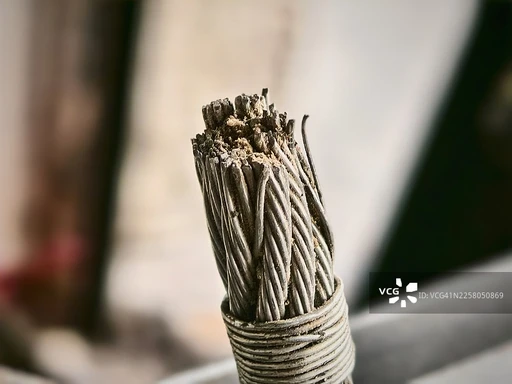
Steel wire rope maintenance: Sand will accelerate the internal wear of the steel wire rope. Regularly apply special steel wire rope lubricating grease for application to ensure that the grease penetrates into the rope core. This can prevent rust and reduce the cutting damage of sand particles to the steel wire. If there are broken wires or excessive wear (such as a diameter reduction of more than 7%), it must be replaced immediately.
Resistant to high temperatures: Cooling down the core components
The continuous hot weather can easily cause the deterioration of hydraulic oil, overheating of electrical components and even fires.
Hydraulic system cooling: High temperatures accelerate the oxidation of hydraulic oil. The inspection cycle of hydraulic oil should be shortened. If the oil becomes thinner, emulsified or its viscosity decreases, it is necessary to immediately replace it with anti-wear hydraulic oil suitable for high-temperature environments. At the same time, regularly clean the dust on the hydraulic oil tank and the surface of the radiator to ensure that the cooling airways are unobstructed.
Electrical system inspection: Focus on checking the operating temperatures of components such as frequency converters, contactors, and relays. High temperatures can cause loose connection terminals or aging insulation layers. It is recommended to conduct an insulation resistance test once a month (requiring ≥ 0.5 MΩ), and clean the accumulated dust on the heat dissipation resistors to prevent faults caused by poor heat dissipation.
Brake system monitoring: Braking pads wear out more severely under high temperatures. Regularly check the working conditions of the braking electromagnet and braking spring, measure the thickness of the braking pads (usually when worn to 2mm, replacement is required), and ensure that the braking distances under no-load and full-load conditions comply with safety standards.
Pay attention to the "thermal expansion and contraction" of the structural components
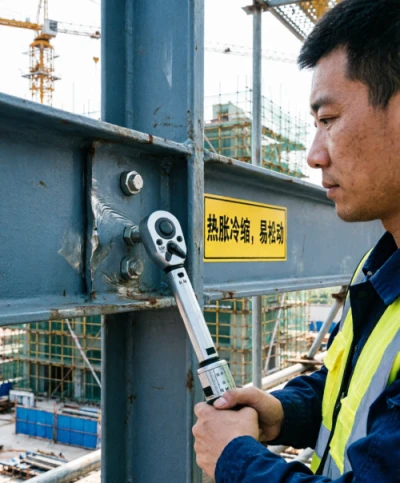
In arid areas, the temperature difference between day and night is significant, and the thermal expansion and contraction of metal structural components can easily cause the connection parts to loosen.
Screw tightening: Every week, a torque wrench should be used to comprehensively retighten the connecting bolts of the standard sections of the guide rail frame, the attachment frame bolts, and the transmission base plate bolts, etc. Especially at the connection point between the attachment frame and the building structure, it is necessary to ensure that the tightening torque meets the standard to prevent equipment shaking or overturning risks due to structural loosening.
Verticality monitoring: Due to the influence of temperature differences and the thermal expansion and contraction of the foundation, the verticality of the guide rail frame may experience a slight deviation. Regularly, an optical theodolite or a plumb line should be used to recheck the verticality of the guide rail frame (the deviation should be ≤ 1/1000 of the frame height, and the maximum should not exceed 100mm). If necessary, the attachment frame should be adjusted for correction.