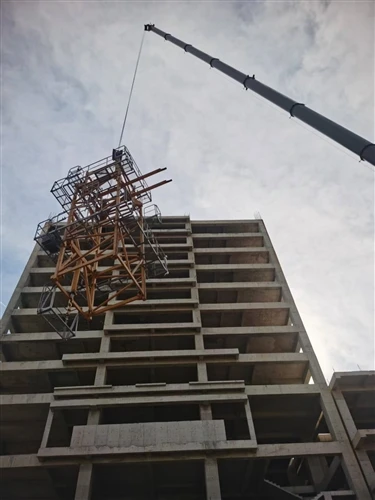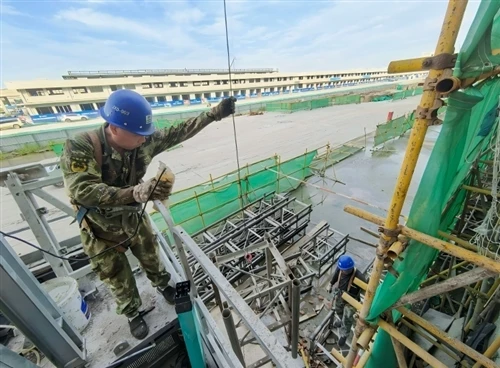


To ensure the long-term, stable operation of tower cranes and construction hoists, the company has established unified, standardized maintenance protocols. These protocols define comprehensive operational standards-covering daily inspections, routine maintenance, and in-depth overhauls-and detail specific requirements for the inspection, servicing, and replacement of components.
 1. Unified Maintenance Standards with Clear, Actionable Workflows
We have developed detailed written maintenance guidelines that categorize key components-such as the tower structure, hoisting mechanisms, electrical control systems, safety limit switches, and wire ropes. These guidelines specify inspection items, testing intervals, and acceptance criteria. All maintenance personnel adhere to these unified standards, eliminating oversights caused by inconsistencies in manual operations.
2. Proactive Identification of Potential Hazards
Maintenance tasks include systematic checks for issues such as loose parts, wear and tear, oil leaks, and aging wiring. Components exceeding wear limits are replaced proactively, and safety alarm systems are calibrated. By addressing risks like component damage and system malfunctions early, we prevent sudden equipment breakdowns and operational downtime.
 3. Standardized Servicing to Extend Equipment Lifespan
We have standardized procedures for lubrication, tightening, and system calibration, while mandating the use of compatible lubricants and genuine OEM parts. This prevents accelerated wear caused by improper maintenance, maintains equipment in optimal condition, and reduces the frequency of major overhauls.
4. Minimizing Downtime Losses and Ensuring Construction Continuity
Standardized maintenance eliminates failure risks in advance, drastically reducing mid-project downtime for repairs. This prevents construction delays caused by sudden breakdowns, saves on labor and scheduling costs, and ensures reliable lifting equipment support for all projects.